Date:
May 22, 2026


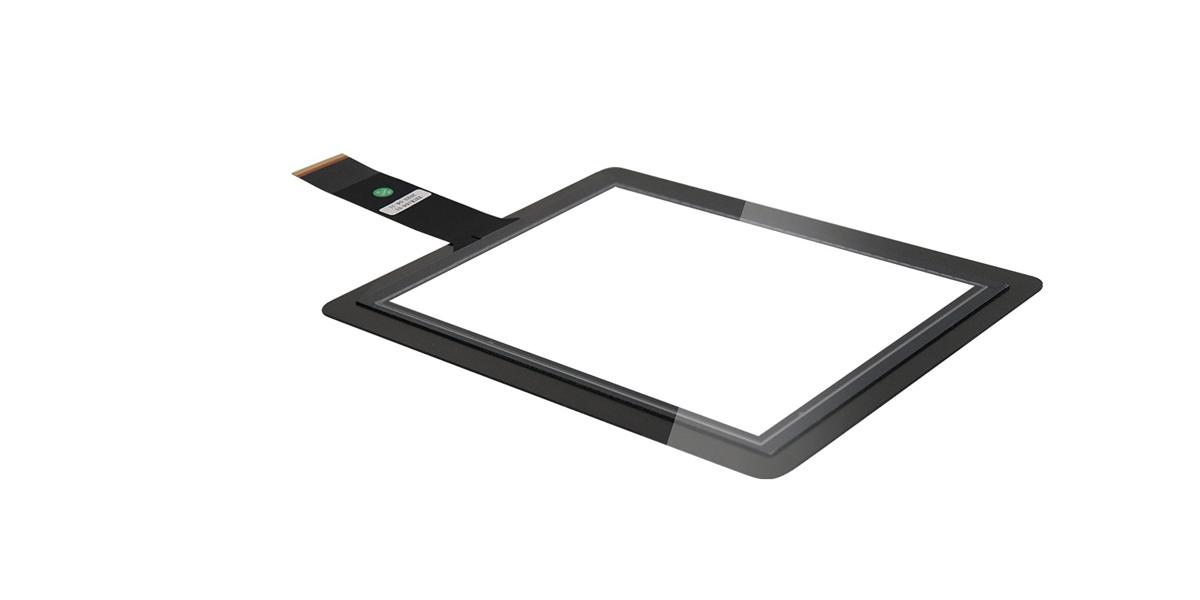
The market ascendancy of capacitive touch screens is fundamentally rooted in their superior technical performance and architectural elegance. When compared to legacy interactive technologies, commercial-grade PCAP displays offer distinctive competitive benefits:
Unrivaled Optical Clarity and Aesthetics: Unlike resistive screens that rely on flexible, multi-layered plastic films, capacitive touch panels utilize a solid, chemically strengthened glass cover layer. This ensures maximum light transmission, vivid color reproduction, and a sleek, flat, edge-to-edge "Apple-style" design that elevates the premium feel of any terminal.
Superior Durability and Vandal Resistance: Lacking moving parts or fragile surface coatings, commercial capacitive screens are highly resistant to scratches, impact, and structural wear. They maintain flawless operation even when exposed to harsh, high-traffic commercial environments.
True Multi-Touch and Fluid Responsiveness: Engineered with dense sensor matrices, these panels comfortably support 10-point to 40-point simultaneous touch control. They provide zero-latency gesture tracking (such as pinching, zooming, and sweeping) that remains unaffected by surface dust, grease, or minor moisture.
The versatility of capacitive touch technology allows it to anchor critical interactive infrastructure across a diverse spectrum of high-value vertical industries
In modern retail spaces, aesthetic appeal and operational efficiency are paramount. Large-format capacitive touch screens are extensively deployed in interactive digital signage, smart fitting rooms, digital menu boards, and point-of-sale (POS) systems. Their sleek, bezel-free design blends seamlessly into high-end retail architectures, enhancing brand image while driving self-service efficiency.
Banking terminals, automated ticketing machines, and public information kiosks require extreme uptime and robust security. Capacitive screens support flush-mounted designs that prevent dirt and liquid ingress. This achieves IP65-rated waterproof and dustproof front panels, which drastically minimizes corporate maintenance overheads and field failures.
In medical equipment and manufacturing control rooms, precision is non-negotiable. Advanced capacitive controllers are fine-tuned to support precise input even when operators wear surgical gloves or industrial latex hand-wear. This provides reliable high-speed control under stringent sanitary or high-interference conditions.
Looking ahead, the development prospects for the commercial capacitive touch screen industry are exceptionally broad. As industrial internet architectures and artificial intelligence (AI) continue to mature, the touch screen is evolving from a passive display into an intelligent edge-computing interface.
Future innovations will focus on the deep integration of flexible mesh sensors, anti-microbial cover glasses, and enhanced electromagnetic shielding (EMI) to meet the rigorous demands of emerging IoT applications. For hardware manufacturers and global B2B procurement networks, investing in advanced capacitive touch technology is no longer merely a trend—it is a strategic requirement to lock in future market share and deliver next-generation interactive value.